

Activity PADI Scuba Diving
Dive shop profile
Torpedo Rays Scuba Adventures
DartmouthAbout this dive shop
We are Nova Scotia's #1 PADI 5 Star IDC, which means we thrive on quality service, safety and of course a lot of fun! TORPEDO RAYS was established in 1997 with the aim of providing high quality service to the scuba diving community within the Nova Scotia. As a PADI 5 Star IDC Centre, TORPEDO RAYS has gained not only the respect from the industry locally but now has a long-standing reputation worldwide. As Halifax’s premier scuba diving facility, with over 20 years of serving the Maritimes and beyond, we guarantee the highest standards of quality in terms of teaching, safety and services for the recreational, technical and freediving communities. We teach all PADI Dive courses from Discover Scuba and Open Water right up to Instructor and beyond, as well as a range of specialities, safety courses and freediving. Our rental equipment is renewed every year to guarantee your comfort and safety. We carry every major brand so your options are only limited by your imagination. And our dedicated team is here to assist you every step of the way. So start your PADI Adventure at the East Coast's largest and oldest dive shop today, get diving, and change your life.
Activities offered
Activity PADI First Aid - EFR
Activity PADI Freediving
Activity PADI Mermaid
Activity PADI Snorkelling
Services
Facilities
Equipment Rental
Equipment Service & Repair
Payment Methods
Staff
- PADI Instructors
- 20
Languages
- English

Marine life
Marine Life
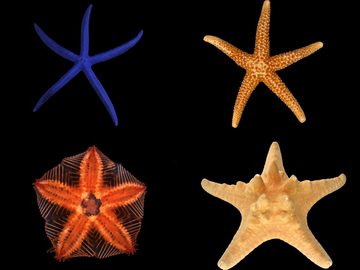
Starfish
101 known dive sites · 27 countries
Marine life
Reported around Argentina, Australia, Brazil and 24 more.
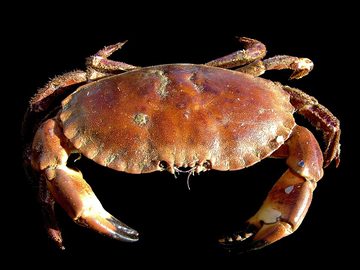
Crab
3583 known dive sites · 95 countries
Marine life
Reported around Argentina, Aruba, Australia and 85 more.
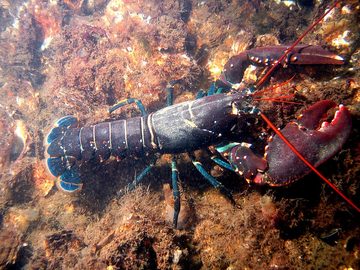
Lobster
2720 known dive sites · 86 countries
Marine life
Reported around Aruba, Australia, Bahamas and 79 more.
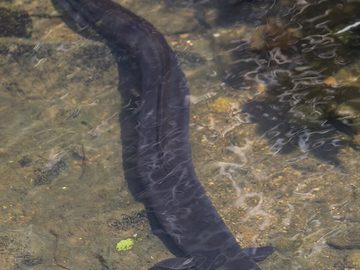
Eels
99 known dive sites · 40 countries
Marine life
Reported around Australia, Belgium, Canada and 37 more.
Opening hours
Closed now- Monday
- 09:00 AM - 06:00 PM
- Tuesday
- 09:00 AM - 06:00 PM
- Wednesday
- 09:00 AM - 06:00 PM
- Thursday
- 09:00 AM - 06:00 PM
- Friday
- 09:00 AM - 09:00 PM
- Saturday
- 09:00 AM - 05:00 PM
- Sunday
- 09:00 AM - 05:00 PM
Dive shop gallery
No photos available.
Where this dive shop may take you
Dive sites around Dartmouth
Africville Ramp Dive Site
North America, Canada, Nova Scotia, Halifax
Certification level: Novice to advanced Overview: located near the MacKay bridge on the Halifax side of the harbour. This is a public area with boat ramp. Ample parking is available. There is also a grassy area and playground facilities. It is recommended to park on the ramp side of the parking lot, without blocking the entrance for anyone needing to launch their boat. The entry is easy by walking down the boat ramp. Dive options include sticking more to the shallower right side of the boat ramp along the shoreline, heading out parallel to the bridge, or turning left at the bottom of the ramp. Most divers will turn left as they descend to follow the sloping wall. The area is known for its abundance in sea anenomies, sea stars, urchins and crabs. All dive options will give you a chance to discover plenty of creatures, but often the option of turning left offers the most variety. As you vary your depth along the sloping wall searching for new creatures to photograph, you can try your luck in finding the Atlantic Wolf Fish living there. Certification level: All levels. Important Notes: OW certified divers must watch their depth, as the depth can exceed 60ft/18m. Current and tide must be considered at the time of the dive. Current can vary from minimal to quite strong. Image A: Approximately 200ft along the left sloping wall sits a 5x5’ concrete slab at a depth of 60ft/18m, home to an Atlantic Wolf Fish Image B: About 40ft beyond the concrete slab sits a buoy with growth, on the sea floor at a depth of 62ft/18.9m Images C, D, E: Tires sitting on the sea floor Emergency Information: The QEII Health Sciences Centre (Dickson building) is 12-16 minutes away depending on traffic. The chamber is located at the Dickson building of the Victoria General hospital (part of the QEII Health Sciences Centre). Before diving, ensure your buddy team has decided on the dive plan. Entry and exit are easy with the ramp, but trip and fall risks are still present. If needed, call emergency services. In this area, it is important to be alert for boat traffic and current. As well, there can be many sea urchins along the wall slope, so maintain good buoyancy control. As with any dive, divers should be familiar with the following situations and how to proceed: Low on air / out of air situation: Monitor your SPG as a preventative measure. If you become low on air or out of air, ascend slowly to the surface using one of the safe techniques. Monitor for boat traffic. Surface swim close to shore back to the entry/exit point. Buddy separation: As recommended, if this happens stay down and look for one minute. If unable to locate your buddy in one minute, ascend safely to the surface. When positively buoyant at the surface, wait a short time for your buddy to surface. If your buddy does not appear, return to the entry/exit point and contact emergency services. Near drowning situation, suspected lung injury, or DCI: Get the injured person to shore area and have someone contact emergency assistance immediately. Emergency Contact Information: In case of Emergency call 911. Joint Rescue Coordination Centre (JRCC Search and Rescue): 1-800-565-1582 DAN (Divers Alert Network): (919) 684-8111 or (919) 684-4326 Marine VHF: Channel 16 Recompression Chamber:(902) 473-7998 https://www.eastcoastscuba.com/africville-park-dive-site
Nearby
2.6 km away. This shop may organize trips here.
MacDonald Bridge
North America, Canada, Nova Scotia, Halifax
Explore this dive site, its conditions, marine life and nearby diving.
Nearby
3.9 km away. This shop may organize trips here.
Black Rock Beach
North America, Canada, Nova Scotia, Halifax
Certification Level: All levels - easy site Overview Black rock beach is located in Point Pleasant Park close to downtown Halifax NS. It is ideal for trunk divers (people who don’t own boats) that want to test out some new gear, or just don’t feel like traveling too far, or are new to diving and want to get a nice easy dive under their belt. There is a large parking lot when you enter the site so you won’t have any trouble finding parking. I personally recommend parking close to the beach where there is a wall that you can easily don and doff your gear. The beach is sandy and has a nice slope to it that will help with entering and exiting the water. One thing to keep in mind is that there is quite a lot of sediment which can cause low visibility if you stir up the bottom. It can take several minutes to clear up. There are also rocks on both sides of the beach so take a bearing of 080 degrees towards the small wreck (indicated by the orange triangle on the image below) from the beach. Make sure you refer to the site map in order to ensure your safety. There is a second wreck quite far out adjacent to the container jetty it is on a bearing of 095 degrees if you reach a depth of 50 ft or deeper you have gone too far.
Nearby
8.7 km away. This shop may organize trips here.
Ferguson's Cove
North America, Canada, Nova Scotia, Halifax
Certification Level: Novice Overview: Ferguson's Cove is a relatively well-known dive site in Nova Scotia, with a relatively easy to moderate rocky beach entry. There are also places near this dive site, such as the pilings at Ferguson’s Cove, where you can also dive and see more of the area. You will have to park on the side of the road once you get there. Be sure to be respectful of the area, avoid parking/wandering on private property, and just remember to be respectful towards the people who allow us divers to dive there. There is lots of different sea plant life as well as crabs, lobster, small fish such as Red Hake, Cunner, Pollock, Longfin Hake, Sculpin and Sea Ravens. This is a good place to practice navigation and buoyancy control. This is a shallow site and it’s max depth varies depending on which particular spot you choose, but it’s average of 30-50ft in the most commonly used areas. This area is recommended for divers with at least an open-water qualification. Entry: The main Ferguson's Cove dive site is relatively easy for entry. It’s recommended that you fully kit up prior to leaving your vehicle to make things easier though. The entry point is shown at the first picture in the set of three mentioned above. However if you choose the lesser known area by the pilings at Ferguson’s Cove the entry is a steeper and more rocky entry, and is recommended for more experienced divers due to the possibility of rolling an ankle or falling when navigating around the rocks and crevasses leading to the ocean. Navigating the dive: Once you’re past the entry, and you’re ready to dive, you can dive the immediate area, or you can swim in the opposite direction of the breakwater along the shoreline towards the pilings. Surface Conditions: Near the main entry point, it’s fairly sheltered from westerly winds and therefore the surge usually isn’t too severe depending on the wind speed. Once you move towards the pilings it becomes less sheltered and the surge can be moderate to sever depending on the winds. Remember to always check conditions, and update your dive plan accordingly. Bottom Composition: The bottom consists of mainly small rocks, sand, and scattered areas of sea plants. As you move further down the shoreline towards the pilings you will see remnants of the pilings, and a mixture of man-made fixtures and small rocks. The further you dive away from the shoreline the rocky bottom turns more to sand and kelp and then to silt. There have been old bottles, and other relics found in the area as well. Depth: When you’re within 20-50m from the shoreline the depth ranges from 30-50 feet, if you stick to the shoreline towards the pilings, the depth is average from 5 to 10 feet at the base of the pilings. Visibility: The visibility will be determined on the conditions that day, and the conditions of the days prior to the dive. For instance if there has been heavy rain prior to your dive, the visibility will be significantly reduced (less than one metre) due to run off. However, if the conditions are good the visibility will be slightly below average (around 3-10 metres). Hazards: A few things to remember about the area, such as if you use other entry/exit points you should always use caution when traversing over potentially slippery rocks and sea plants. Also you should be aware that there may be some over head boat traffic, and that the conditions can change quite rapidly depending on the weather. If you proceed towards the pilings, it becomes more exposed and therefore you should always remain vigilant of the surrounding conditions and the fallen pilings, and other man made objects that are in that area. Emergency Plan: Always remember to familiarize yourself with your plan and your dive procedures prior to diving. Emergency contacts to note (but are not limited to) are: 1) Calling 911. Notify the operator that you’re diving off Ferguson’s Cove Road near SeaWatch B&B (use specific directions or latitude and longitude if necessary). 2) Herring Cove & District Fire Department: 57 Ketch Harbour Road. (902) 477-1494. 3) Recompression Chamber: Dickson Building, Victoria General Hospital. (902) 473-7998 4) Joint Rescue & Coordination Centre Halifax (JRCC): (902) 427-8200 5) Divers Alert Network (International Emergency Hotline): (902) 919-684 ext. 9111 6) Marine VHF: Channel 16 Some emergency procedures to familiarize yourself with prior to the dive are (but are not limited to): 1) Low/out of air situations: even in areas where the depth isn’t significantly deep, it’s good to refresh these procedures with your dive partners. Remember to signal if possible, and ascend to the surface at a safe rate, being sure to look up and avoid any possible overhead obstructions such as boats. When on the surface, inflate your BCD, signal to others that you’re ok, and surface swim back to the entry/exit point. 2) Lost buddy diver: due to the below average visibility of the area, this is always a possibility. If you happen to get separated from your buddy, do a quick search of the immediate area and try and locate him/her. If you do not find your buddy, complete an ascent as mentioned above, and once on the surface inflate your BCD and search for them (or their bubbles) in your surrounding area. If you cannot safely find your buddy, return to the entry/exit point, and notify your emergency contacts immediately. 3) Injured diver: if you or your buddy happens to sustain an injury while diving, ascend as mentioned above, inflate your BCD, notify anyone on the surface in the immediate area if possible, and then proceed to the entry/exit point. Once there, contact emergency assistance immediately. 4) Near drowning, lung injury, or DCS: Once on the surface and you or your buddy are showing signs of DCS or have endured a near drowning incident, be sure to return to the entry/exit point as quickly as safely possible. If unconscious, provide rescue breaths and CPR if necessary. Notify anyone in the immediate area of the situation and get them to contact emergency assistance immediately. Remember, diving is a fun and exciting activity, but safety is always paramount. Preparation is key to identifying, and avoiding potential dangers. Always familiarize yourself and your dive buddies of the area, and of the dive plan and procedures in case of an emergency. Although diving accidents can be significantly prevented with good communication, safety equipment, and preparation, it’s always best to be accompanied with someone who is familiar with the area and the conditions. Once all precautions are taken, go out and have a fun and safe dive
Nearby
11.1 km away. This shop may organize trips here.
Herring Cove
North America, Canada, Nova Scotia, Halifax
Over all it’s a very gentle slope mostly sand bordered by rocking shorelines, with few areas covered with eel grass or kelp. Depths range from 9.8ft/3m to 52ft/16m.
Nearby
14.7 km away. This shop may organize trips here.
Bear Cove
North America, Canada, Nova Scotia, Halifax
Certification Level: Novice to experienced Bear Cove or more commonly called 'The New Bear Cove' is located at the end of a small walking trail, there is a small parking lot where cars can park. You'll have about 328ft/100m walk to the water. During summer months may be worth taking a bottle of water if your going to get fully kitted up first or even lug gear down to the water. There are three barriers that can stop vehicles from driving down the small trail. The centre barrier is removable but would suggest putting it back in place right away. Remember this is an active park/trail and be mindful of others. There is a wreck at this site, which sits around 65ft/19.8m. Some have debated whether its the Humboldt or another wreck. Humbolt travelled between between Southampton and New York for the New York and Havre Steam Navigation On December 5, 1853, HUMBOLDT was twelve days out of Southampton in fierce weather and running short of coal. The captain made for Halifax but as the paddle wheeler approached the harbour, she was hailed by a fisherman acting as a harbour pilot. In poor visibility, HUMBOLDT ran aground on shoals near Sambro Island. The captain refloated his vessel but eventually had to ground her in Portuguese Cove. While only one life was lost, the ship and much of her cargo, valued at over 300,000 pounds was lost. Emergency Plan Before diving any site, make your own safety plan. Know your buddies important information. In case of emergency know what to do. Plan ahead. Moving on the shore with full gear can be challenging. There is cell phone coverage in the area.. Divers should familiarize themselves with the following situations and course of actions. 1. Low -air / out of air situation - It can easily happen at this site if divers get distracted and forgot get to check air. In case this happens, ascend to the surface immediately in a safe manor using the standard surfacing techniques. Ascend slowly looking up to see any boats that might be in the area. Surface swim back to the entry / exit point at a slow but steady pace. 2. Buddy separation -If this happens stay down and look for 1 minute then proceed to the surface with a controlled ascent looking up and around for anything over head you might run into. Make yourself positively buoyant wait a short time, if your buddy doesn't return to the surface, proceed to the entry / exit point and contact emergency assistance. 3. Injured diver -If your buddy receives a marine life injury, return to the shore immediately then assess the situation and contact medical assistance. If injury is due to marine life make sure you take the steps to avoid being hurt yourself and ask your buddy questions about what happened. 4. Near -drowning situation, Lung injury, or decompression illness -Get the injured party to shore and have someone contact Emergency assistance immediately. Hazards and Safety: It is EASY TO GET LOST and miss the beach when coming back in. Use a buoy, shore maker flag or have a non-diver on shore. The entry into the water is a bit hazardous as there are sharp and round ROCKS that can present a tripping hazard. There can be a relatively large SURGE as this site is open to the elements. During lobster season watch out for lobster traps with lines. Watch for fishing buoys and always dive with a knife to cut yourself free. Emergency Contacts Please note that either you or your buddy has a phone, cell reception is good in this particular area. 1) RECOMPRESSION CHAMBER: Dickson Building of The Victoria General (473-7998) 2) Police and Ambulance (911) 3)DIVERS ALERT NETWORK (DAN) 1-919-684-4DAN (4326) 4) QE II Hospital (473 -2220) 5) Marine Radio VHF Channel 16
Nearby
18.3 km away. This shop may organize trips here.
Diver feedback
No reviews yet
Be the first diver to share a useful, honest account of this place.
This Dive Shop hasn’t enabled Booking yet
Ask them to enable it.