
Can You Dive A Lake
What lake diving is really like, how to plan it safely and why freshwater can be one of the best places to improve as a diver.
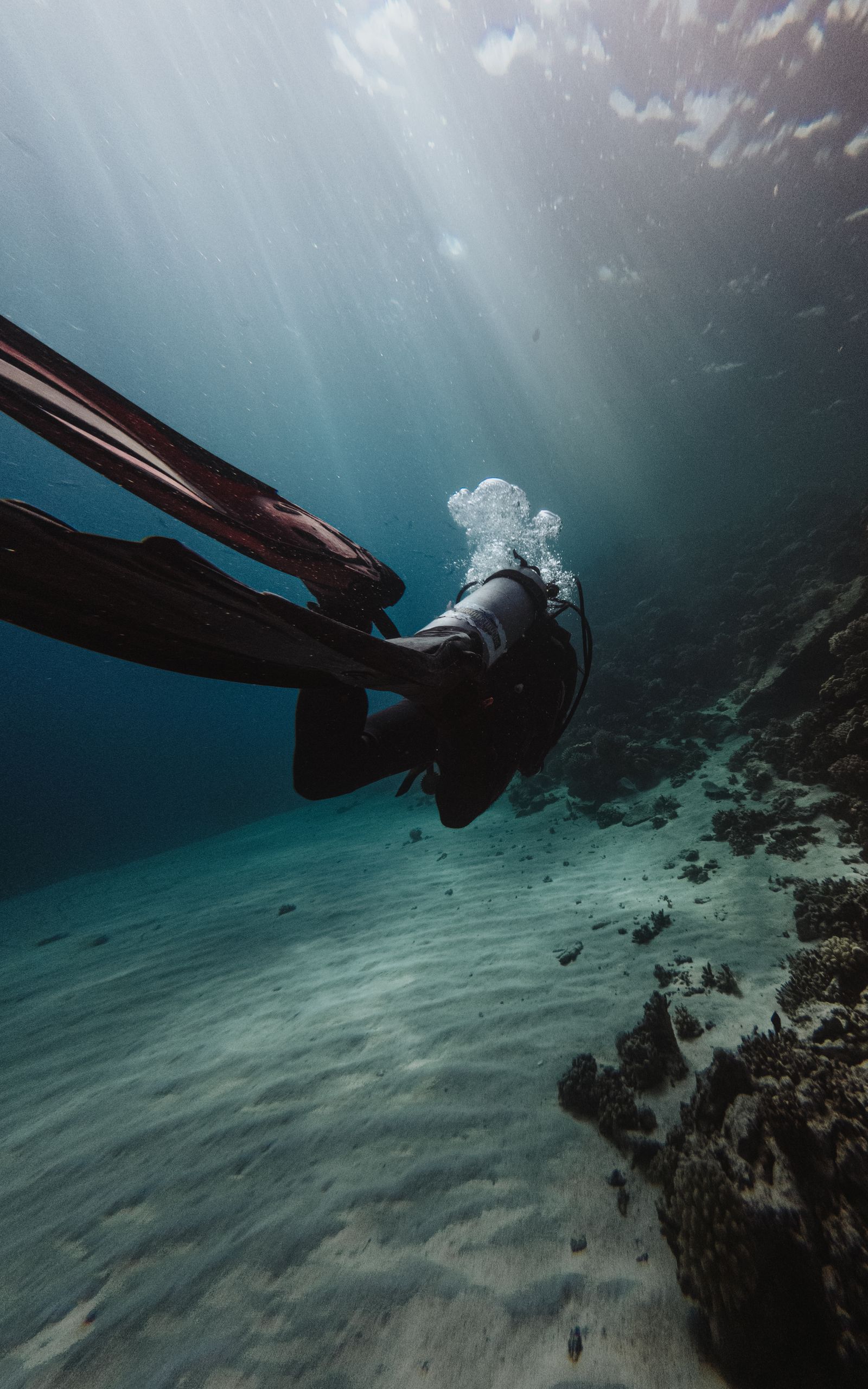
Yes, you can dive a lake, and many divers should at least once. Lake diving asks for a different kind of attention: temperature, visibility, entries and navigation often matter more than tropical colour. In return, it offers quiet, unusual topography and a useful way to become a more adaptable diver.
A lake is a real dive environment
A lake is not a sea with less salt. It has its own temperature layers, visibility patterns, entries, hazards and seasonal rhythms. Some are training-friendly quarries; some are deep alpine lakes; some hold wrecks or submerged structures that make the dive feel distinctly local.
Treat the site as its own environment and it becomes interesting immediately.
Temperature is the first plan
Freshwater can be cold even when the surface feels pleasant. Thermoclines may bring a sudden change in temperature during descent, and long pauses while looking at a wreck or platform can cool a diver faster than expected.
Ask about water temperature by depth, choose exposure protection accordingly and keep the plan realistic for the least comfortable diver in the group.
Visibility changes the whole dive
Lake visibility can range from astonishingly clear to a few metres of green, depending on weather, season, depth and bottom disturbance. Neither condition is automatically better; they require different habits.
In limited visibility, agree on distance, light signals and what happens if buddies separate. A short, calm dive with clear procedures is better than a long one spent pretending everyone can see.
Navigation deserves attention
A reef gives obvious shape. A lake may offer a sloping bottom, a line, a wall or a compass heading with fewer visual anchors. Before entering, decide what you will follow, where the turn happens and what the exit looks like from underwater.
Use a compass when appropriate, but do not make it a solo performance. Confirm the route together and keep enough gas to solve a quiet navigation error without drama.
Freshwater changes buoyancy
Freshwater is less dense than seawater, so divers commonly need less weight. That sounds minor until an over-weighted diver starts using their hands, touches the bottom or struggles to hold a stop.
Do a careful buoyancy check at the start of the trip, especially if you have arrived from saltwater diving. Small adjustments make the entire lake dive more comfortable.
Entries and exits are part of the briefing
Shorelines can be rocky, slippery or farther from parking than expected. A simple entry becomes tiring if a diver is carrying a heavy kit over uneven ground in the wrong footwear.
Look at the route before gearing up. Decide where to stage equipment, how to help each other and what changes if wind or rain makes the exit less friendly.
The life is different, not absent
Lake diving may bring freshwater fish, eels, plants, crustaceans and the strange stillness of branches or rock ledges. It will not imitate a coral reef, which is exactly why comparison is unhelpful.
Slow down and let your eyes adapt. The reward is often a detail you would miss while scanning for tropical colour.
Pick the right first lake
Choose an established site with local guidance, a clear entry and conditions that match your training. Ask about altitude, depth, lines, boat traffic and any permit or access rules before travelling.
The best first lake dive is not the coldest or deepest one. It is the one that leaves you curious enough to plan another.
Layers can surprise you
Many lakes develop thermoclines: layers in which temperature changes quickly with depth. The first descent through one can feel like moving into a different season. It can affect comfort, visibility and the way a regulator performs in cold water.
Ask a local operator where the layers usually sit and how they change through the year. Plan the deepest part of the dive with the coldest water, not the car-park temperature, in mind.
Altitude may change the plan
A high-altitude lake needs more than an ordinary sea-level profile. Reduced atmospheric pressure changes decompression planning, and an apparently simple mountain dive can carry extra logistics before anybody enters the water.
Use training and tables or a computer setting appropriate to altitude, and do not assume a familiar certification card covers a site you have not discussed with someone local. This is a detail worth getting right before travel.
Lines are tools, not shortcuts
Platforms, training lines and shot lines can make a lake easier to navigate, particularly when visibility is limited. Use them calmly and maintain awareness of your buddy, depth and any other divers sharing the line.
Do not grip or pull yourself along a line unless the site procedure calls for it. Good trim and slow movement keep the experience tidy for the group and reduce the chance of stirring up the bottom.
Take freshwater seriously after the dive
Freshwater is kind to some equipment and demanding on other parts of the day. Rinse mud from boots and zips, dry warm layers promptly and make sure no one is driving home cold or tired after a long entry.
The post-dive routine is part of the safety margin. A hot drink, a dry layer and a clear debrief sound unglamorous until you realise they are why the next lake dive starts well.
Make the first visit uncomplicated
For a first lake dive, arrive early enough to walk the shoreline without a cylinder on your back. Find the entry, notice the wind and choose a simple profile that gives every diver time to settle.
There will be deeper, darker and more technical versions of lake diving later. Start with a well-managed site and learn what freshwater asks of you. That is how an unfamiliar environment becomes a place you genuinely want to return to.
Keep exploring
Related marine life
Freshwater Eels
0 known dive sites · 0 countries
Marine life
Reported around .

Freshwater Fish
8 known dive sites · 5 countries
Marine life
Reported around Netherlands, Serbia, Slovakia and 2 more.