
Thailand’s 10 Best Dive Sites
Ten Thai dive sites and regions, what each is genuinely good for, and how to choose a route that fits your experience instead of a brochure.
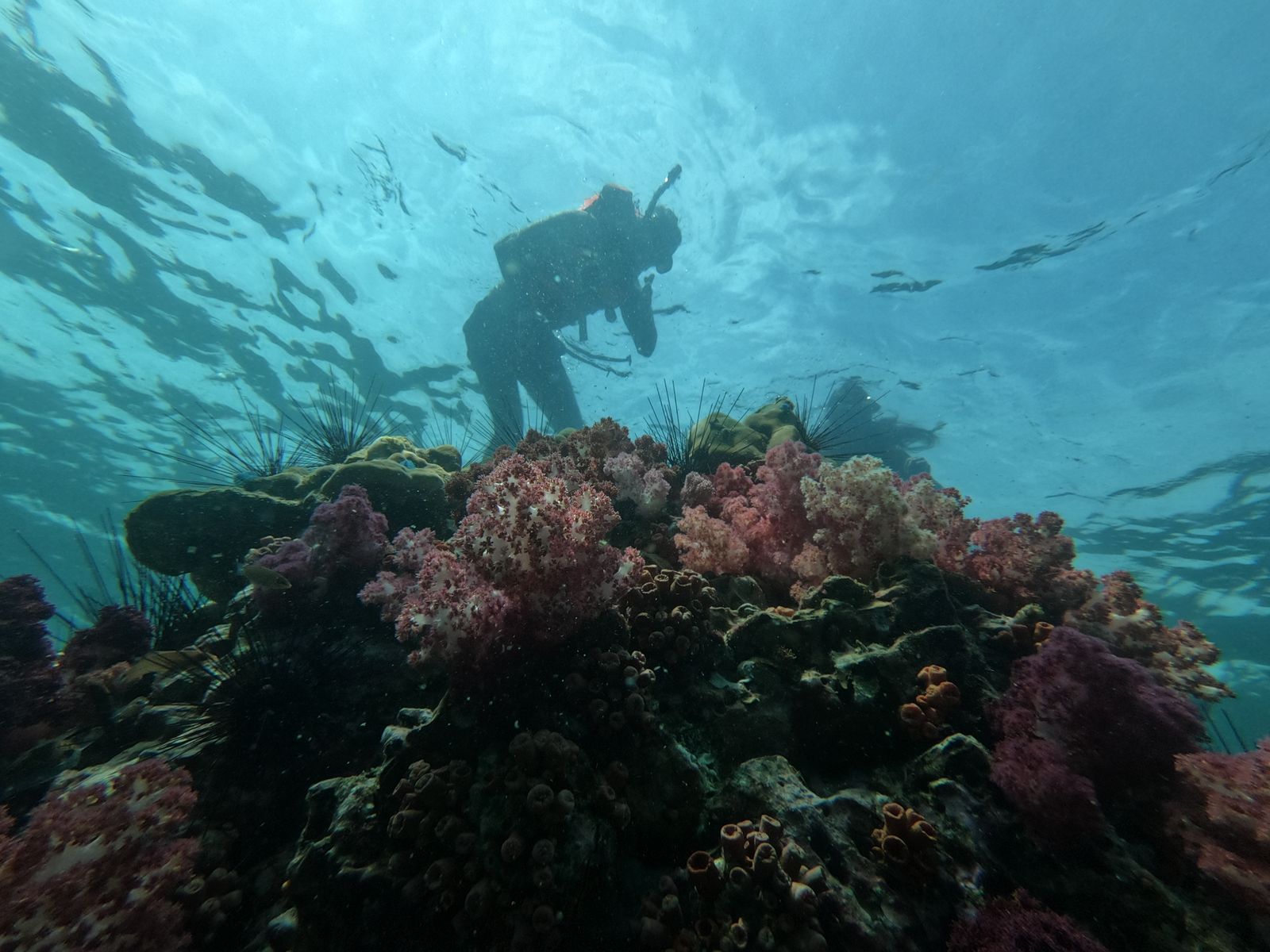
Thailand is not one dive trip with a few different boat names. It is several excellent dive holidays sharing one country: easy island reefs, offshore pinnacles, southern colour and routes that reward a little more planning. The useful question is not which site wins the internet. It is what kind of dive day you want to have.
Start with the kind of day you want
Thailand works best when you choose a rhythm before you choose a famous name. Do you want short boat rides and an easy week of warm-water practice? Do you want a liveaboard where the first coffee happens while the boat is already moving? Or do you want a small island base where a good dive is followed by lunch without anyone pretending the schedule is sacred?
That question filters the map quickly. Koh Tao and Pattaya suit accessible diving and flexible logistics. The Similans and Richelieu Rock suit offshore anticipation. Koh Lipe, Hin Daeng and Hin Muang suit divers who like colour, depth and a little more weather-dependent adventure.
Koh Tao: the relaxed starting point
Koh Tao is a sensible first answer when a group includes new divers, people taking a course or someone who wants diving to share the week with beaches and unhurried meals. The island has plenty of operators, short trips and sites where buoyancy practice feels useful rather than like homework.
Its strength is not that every descent must be legendary. It is that repetition makes diving improve quickly. A relaxed reef, a second look at a familiar site and a guide who knows what is moving around that week can produce a far better holiday than chasing one heroic itinerary.
Sail Rock: one site with real range
Sail Rock is the classic day-trip headline between Koh Tao and Koh Phangan because it rises from open water and gathers life around a single obvious piece of structure. The site can feel busy, but the attraction is easy to understand: schooling fish, changing visibility and enough vertical shape to make a modest depth profile feel like a proper expedition.
Go with realistic expectations. Conditions decide whether it is all blue-water theatre or a quiet close-up day. Ask about current, surface conditions and the group level. A guide who suggests a different site is not spoiling the plan. They may be saving the best part of it.
The Similan route: boulders, blue and boat time
The Similan Islands are for divers who enjoy the journey as part of the diving. Granite boulders make unusual underwater architecture, clear blue water can give the reefs a wide-open feeling and the route rewards people happy to wake early or spend several days on a boat.
This is not a shortcut to a perfect photograph. Sea conditions, route timing and operator standards matter. Choose a boat that is clear about experience requirements, briefing quality and alternatives. The memorable Similan trip is usually the one with enough time to slow down around the rocks rather than racing between famous names.
Richelieu Rock: a small place with a big reputation
Richelieu Rock has earned its reputation because a relatively compact offshore pinnacle can hold extraordinary activity when conditions align. Purple soft corals, schooling fish and the sense that something may arrive from the blue make it a site divers talk about long after the fins are dry.
Treat the site as a reward for good planning, not a wildlife vending machine. Offshore travel, current and season all shape the day. Even without a giant visitor, the reef itself gives plenty to study. That is the useful mindset for every celebrated animal site, in Thailand and everywhere else.
Koh Lipe: colour without the rush
Koh Lipe offers a different Thailand: southern island pace, colourful reefs and enough variety to make several days feel distinct. It works well for divers who want warm water and lively reef detail without turning the holiday into a checklist of dawn departures.
The best local plan is usually modest. Pick the sites that suit the sea that morning, leave room for a longer surface interval and ask the guide where the small life is most active. A reef does not need to be famous to be generous. It only needs you to stop swimming past it.
Hin Daeng and Hin Muang: when the reef goes vertical
South-west of Koh Lanta, Hin Daeng and Hin Muang make the case for a more adventurous route. These offshore pinnacles trade simple logistics for walls, soft corals and the particular tension of looking into blue water while knowing the site is carrying on well below you.
They suit divers comfortable with current-aware diving and operators who make sensible decisions. Do not book them because someone promised a particular animal. Book them because dramatic topography, strong reef life and an offshore day already sound like the right trip. Any surprise in the blue is then a bonus, which is exactly where surprises belong.
Put the route together honestly
A good Thailand itinerary has two or three anchors and some room to move. Choose Koh Tao and Sail Rock for flexibility. Choose a Similan route and Richelieu Rock for offshore adventure. Choose Koh Lipe with Hin Daeng or Hin Muang when southern reefs and colour appeal more than convenience.
Before paying, ask about normal depth, current, boat time, the experience level expected and the operator’s fallback plan. Thailand has many excellent dives. The right one is the route that matches your comfort, leaves enough margin for the weather and still sounds good when the ocean changes its mind.
Make this trip real
Places to explore
Richelieu Rock
Thailand, Asia, Thailand, Khao Lak
Dive at Richelieu Rock Richelieu Rock is known as the jewel of the Andaman Sea and was highly rated by the famous diver and explorer Jacque Cousteau himself. Located about 18 km east of the Surin archipelago this majestic pinnacle penetrates the surface only at low tide and drops down to over 30 meters. On a clear day the visibility can be up to 35 meters, whereas on other days it won't be more than 10-15 meters. Lower visibility is generally related to greater amounts of plankton which is the main reason for the occasional visits of whale sharks. Growing to a length of up to 16 meters they are the biggest fish on the planet and are believed to have a lifespan of over 100 years. However, even without seeing these enormous ocean wanderers Richelieu Rock offers a spectacular diversity of marine life. Several types of always hungry barracudas and trevallies patrol the area and can be seen hunting between the immense number of reef fish. Their primary targets are big schools of snappers and fusiliers feeding in mid water. The rock itself provides shelter for hundreds of different types of creatures. Lion fish, mantis shrimps, lobsters, octopi, pipefish, colourful nudibraches, mating cuttlefish and giant groupers are just a few of them. Even ghost pipefish and the always hard to find yellow tiger tail seahorse live among the beautiful gorgonians and the huge soft coral gardens. Additionally, the cracks and crevices within the limestone structure provide excellent hiding ground for moray eels and scorpion fish. Richelieu Rock is a one of a kind dive experience and attracts divers from all around the world. So, put it on your bucket list and let Wetzone Divers take you there.