
Where Andrea Swims Next
A thoughtful Bonaire dive route around Andrea I and Andrea II, shore-diving rhythm, reef detail and choosing the next site well.
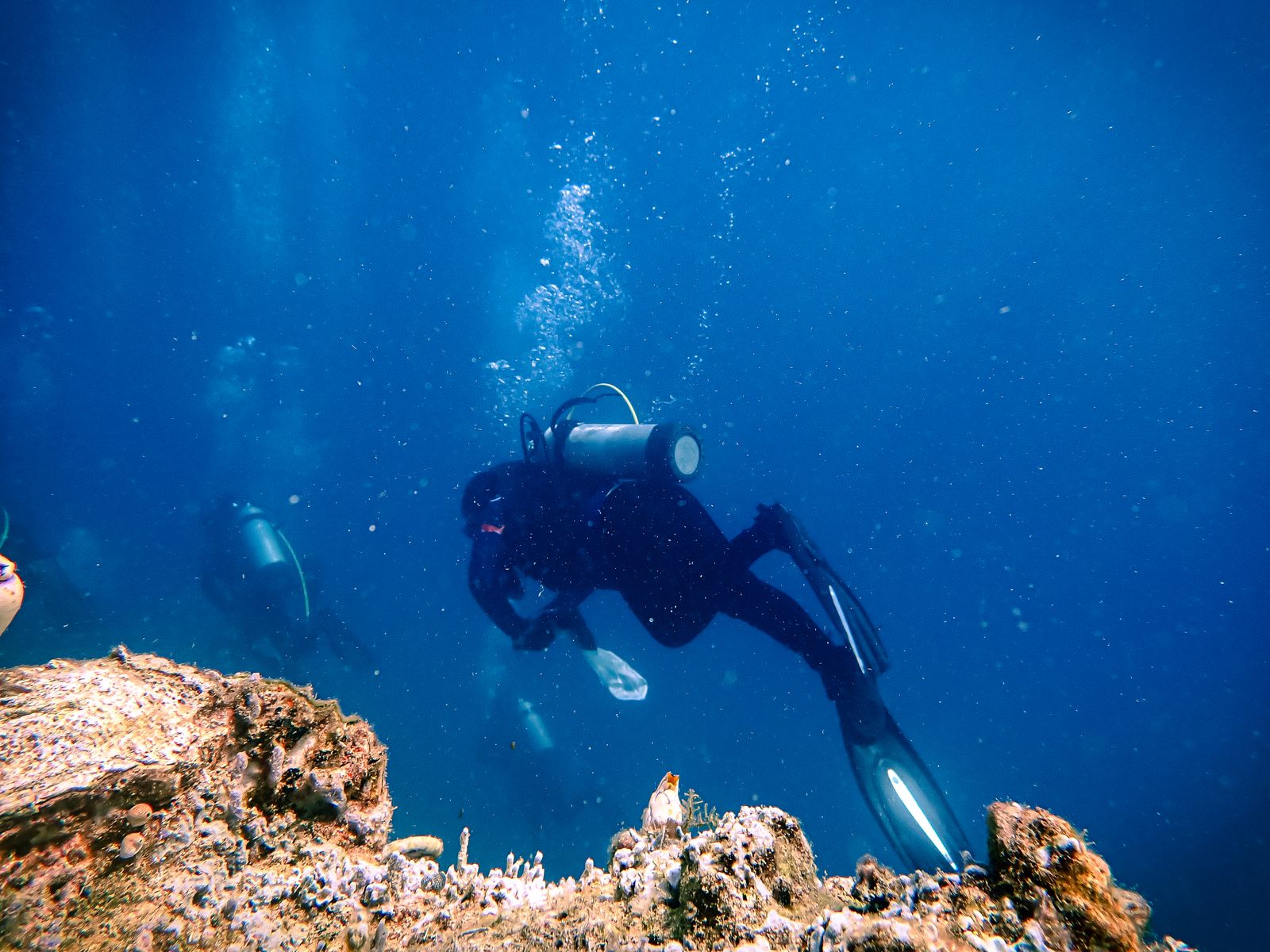
Andrea is not a route to collect. It is a useful way to think about the next dive: choose a place that has a reason to be there, give it enough time, and let the detail decide whether it becomes a favourite. In Bonaire, that often means a shore entry, a calm plan and a reef that improves after the first few minutes.
Start with a real question
Where Andrea swims next is less about following one diver and more about choosing the next right piece of reef. Bonaire rewards that approach. Many sites are close enough to reach without turning the day into a transport project, and a patient shore dive can offer more than a hurried checklist of famous names.
The useful question is simple: what conditions, energy level and underwater mood suit today?
Andrea I and II set the tone
Andrea I and Andrea II are a good reminder that neighbouring sites can feel distinct. The entry, the way the reef begins and the small changes in current or light all shape the dive. Start with the briefing, take the shore entry seriously and let the guide or local operator explain what has been happening recently.
A site does not need drama on the surface to be worth a careful plan. The reef usually starts paying attention back once divers stop rushing over it.
Why shore diving suits this route
Shore diving gives a rare amount of control. You can wait for the water to settle, choose a quieter time, make a long surface interval and return to the same reef with better buoyancy than the first time. That freedom is valuable when it is used well.
It does not mean every entry is casual. Check wind, swell, footing, exit points and how much energy the group has left before adding a second dive.
Look for the small shift
The most satisfying Bonaire dives often turn on small observations: an eel changing position, a cleaning station busy at a particular depth, a patch of reef that looks ordinary until you pause. The reef does not need to provide a headline animal for the dive to become memorable.
Give yourself a slower first five minutes. Get neutral, settle your breathing and look into the structure rather than only across it.
Plan the route around the wind
On an island, wind direction matters more than an optimistic itinerary. A place that looks perfect on a map can be the wrong entry that afternoon. Local advice about sheltered shorelines and current is worth more than determination to tick one exact site.
Keep two or three alternatives nearby. The best plan is not the most rigid one; it is the one that still produces a good dive when the surface changes its mind.
Make a day, not a sprint
Pair an Andrea dive with enough time to eat, hydrate and log what you saw. Bonaire makes it tempting to add one more tank because the next site is nearby. Sometimes that is right. Sometimes the better call is to finish while the group is still relaxed and keen for tomorrow.
A strong holiday has room for the ordinary parts: rinsing gear, comparing notes and deciding what was actually worth another look.
Respect the reef you came for
Stay off the bottom, control your fins around coral and avoid turning a close observation into a chase. Healthy reefs work because their residents can continue their day without a diver insisting on an introduction.
A good operator will be specific about local rules and mooring practices. Follow them even when the site feels familiar; familiarity is not the same as permission.
Choose Andrea’s next swim honestly
The next site might be Andrea II, a calm nearby reef or a different coast altogether. Choose it for the conditions and the kind of dive you want, not because a list says it must be next.
That is the pleasure of a route like this: no grand chase is required. A well-chosen shore dive, done slowly, can be the whole point.
A route has a surface interval
The space between dives is where a route becomes a holiday instead of a production line. Use it to check your energy, change a small weight or fin issue, and compare what each buddy actually enjoyed. A second dive chosen after that conversation is usually better than the one selected from habit.
Keep an eye on sun, hydration and how the wind is developing. Small surface decisions are often the reason the final dive of a day feels composed rather than rushed.
Know when to turn the dive
A sensible turnaround is not an admission that the reef was disappointing. It may be a changing current, an awkward entry, a diver who is colder than expected or simply a plan that has achieved what it needed to.
Agree on the turn before you start, particularly on shore. When everyone knows the signal and the route home, there is more room to enjoy the reef instead of silently negotiating whether to continue.
What to bring from home
Bring a logbook or notes app, reef-safe habits and equipment you can manage comfortably on shore. A mesh bag, water and footwear with grip are more useful than extra kit that never leaves the car.
If you are renting, check the fit before heading to the site. A mask leak or a poorly adjusted BCD is small on land and needlessly distracting on a slow reef dive.
Make this trip real
Places to explore
Andrea I (23)
Bonaire, Sint Eustatius and Saba
Just down the beach from its sister site, the Andrea II, the Andrea I is most well known for its beautiful coral formations from the plate coral that call this reef home. Easily accessible from shore, this is a shallow reef dive and great for snorkeling and beginning divers.
Andrea II (22)
Bonaire, Sint Eustatius and Saba
An easily accessible shore dive location with areas of shade and parking not far from the entry point. This is a large dive site so it never feels crowded here.