
Dive type Wreck
Dive site profile
Clan Stuart
Cape Town, Western Cape, South AfricaAbout this dive site
Explore the water around Western Cape
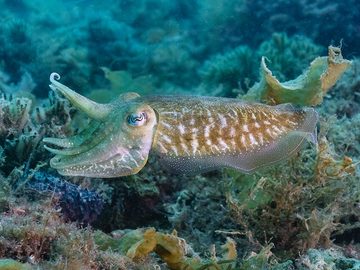
Name: The "SS Clan Stuart", a 3500-ton British turret steamer carrying a cargo of coal, ran aground after dragging its anchor in a South East gale on 21 November 1914. Several efforts were made to re-float the ship over a period of 4 months but without success. The ship’s engine block still breaks the surface. Depth: Maximum depth is about 9 m, average about 7 m Marine life Moderate variety of invertebrates and fish. The growth inside includes more corals and bryozoans than the outside, which is predominantly covered by Red bait and coralline algae, right down to the sand. Pyjama catshark, puffadder shy sharks and occasional cuttlefish can be seen. Shoals of white steenbras have occasionally been reported, and on a few occasions, great white sharks have approached divers closely enough to be seen, and even photographed. Features: Iron wreck of considerable archaeological interest, as very few ships of this type, was built. The wreckage is protected by legislation and may not be disturbed. Topography: The wreck lies in fairly shallow water (about 8 m) The area is mostly fine sand with occasional low sandstone outcrops. The iron structure of the wreck has become very broken up over the years. A section of the triple expansion steam engine framework structure extends above the water, with the low-pressure cylinder mountings to the south-west. The crankshaft, connecting rods and propeller shaft with large cast iron propeller are still in place. There appear to be the remains of a condenser on the port side of the engine. Just forward of the engine are the remains of the two coal-fired Scotch boilers. Both have been dislodged from their mountings, and are lying on their sides with the cylindrical furnaces lying one above the other. The walls have rusted through in places and the tie-rods are clearly visible The wreck lies at about 45° to the shoreline. The bow at the northeast end is about 30 m from the engine block and is the deepest part at about 9 m. The plating has largely rusted away, but a fair amount of framing is still recognisable. The stern at the south-west end is about 15 m from the engine block and is both the shallowest part and closest to the beach. Most of the wreckage is very low, but there are a few places where it is possible to get into covered areas. A long angled section of plating on the port side forms a small low tunnel many metres long, probably too small to get through in places, but you can see light from one end to other, and both ends are open.
Site details
Plan the dive
Dive Conditions
Dive Types
- Wreck
What you may encounter
Marine Life


Dive site gallery
Photos from Clan Stuart
Diver feedback
No reviews yet
Be the first diver to share a useful, honest account of this place.